The Differences Between VPS and VDS
You have a great website, but you cannot decide where to host it: a VPS server or a VDS? Although both are virtual servers, there are noticeable differences between them. Knowing these differences reduces costs, increases performance, and prevents the wrong choice.
What Are VPS and VDS?
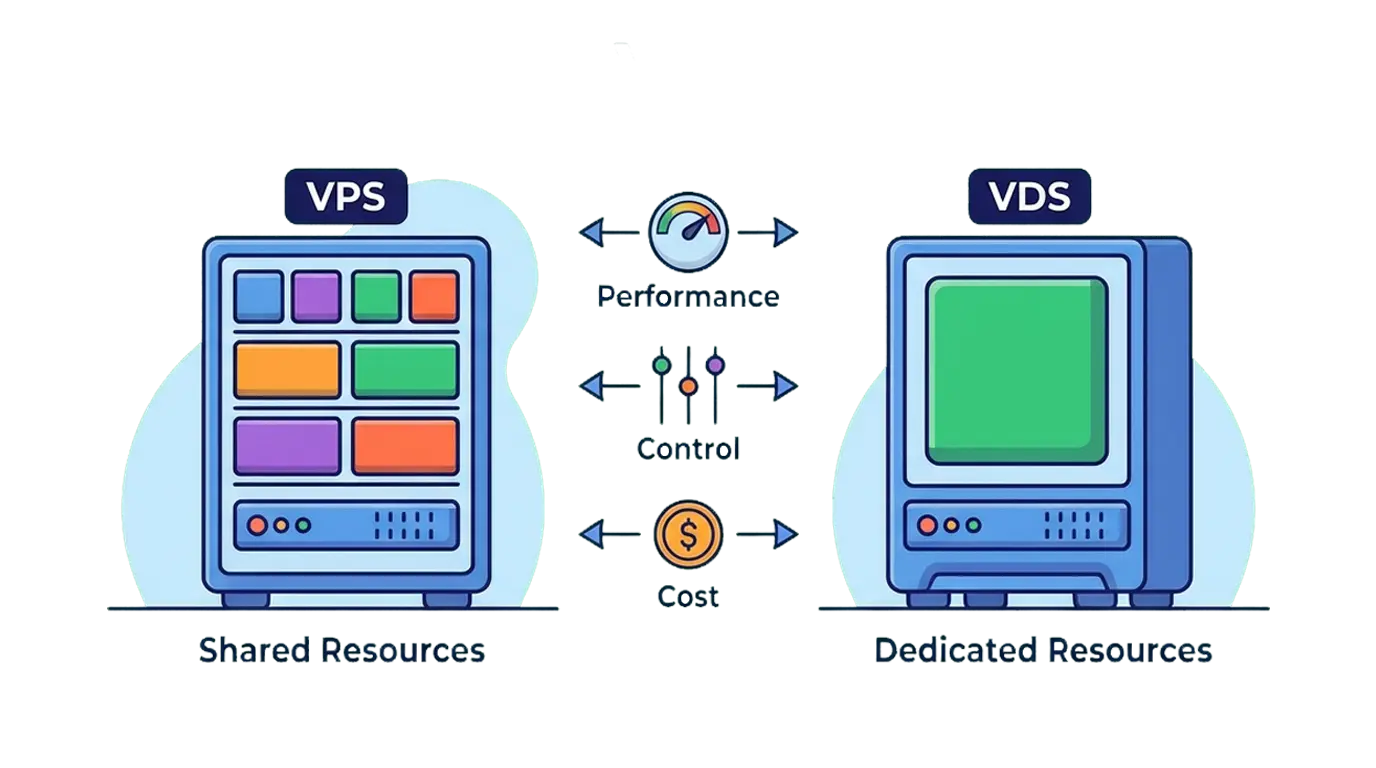
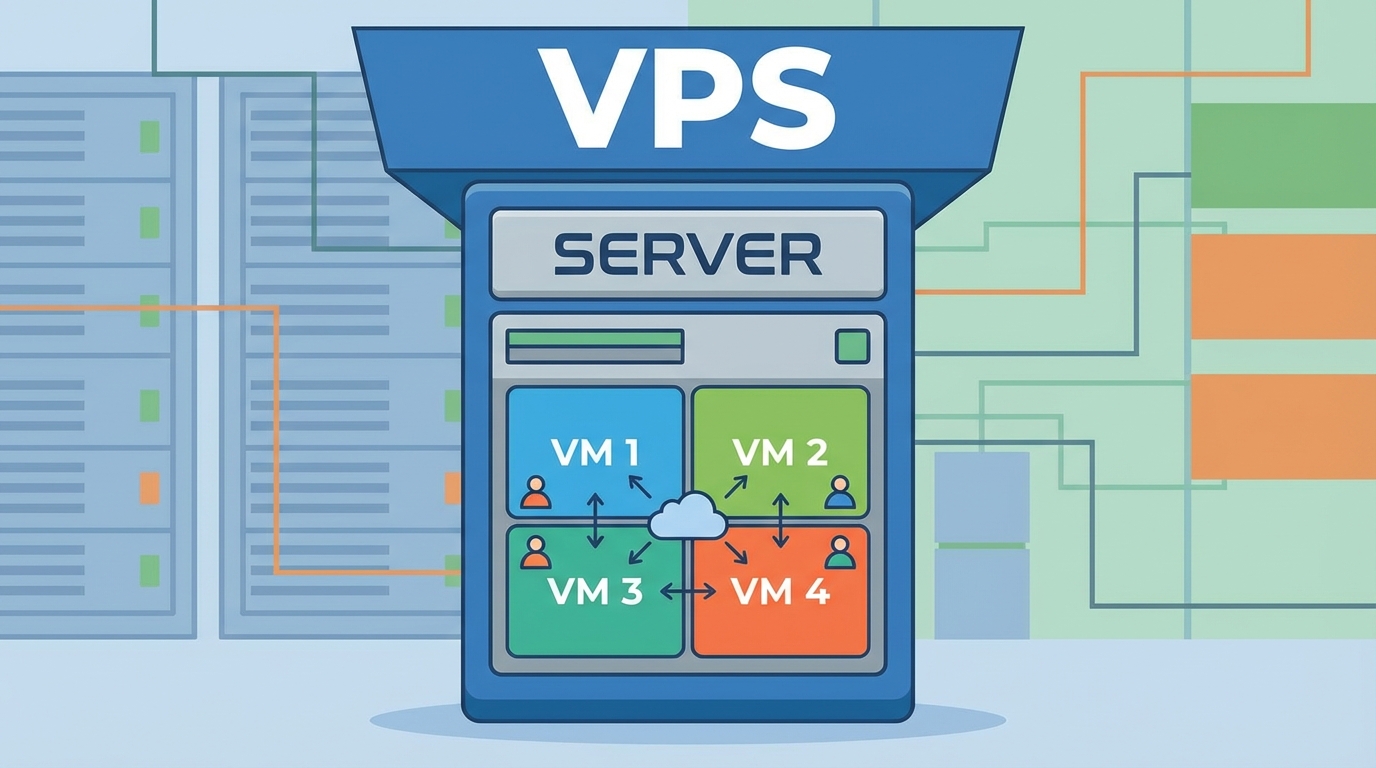
- VPS (Virtual Private Server): It is an instance of a physical server. Through a hypervisor, it runs multiple clients (virtual machines). Each VPS has its own set of resources, but the server itself is shared. In other words, several users benefit from the same physical machine.
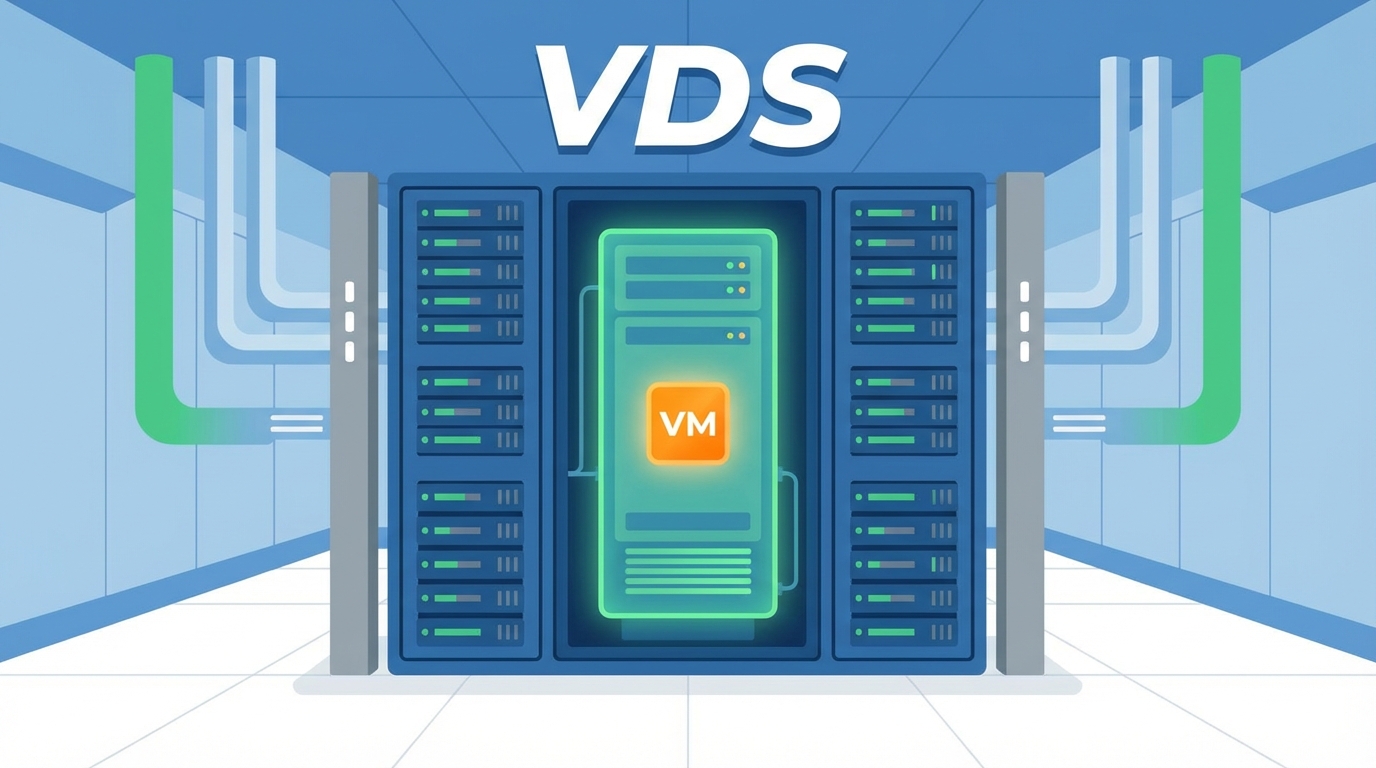
- VDS (Virtual Dedicated Server): Sometimes also called a “virtual dedicated server.” Here, resources are generally not shared – unlike VPS with multiple clients, limited resources are allocated to a single user. This means more stable performance.
- Virtualization technology: VPS is often built on container-based platforms (for example, OpenVZ), while VDS operates through full virtualization technologies such as KVM or Xen. As a result, with VDS you can install any operating system you want.
Main Differences Between VPS and VDS
- Resource Sharing:
- VPS: Resources on the physical machine are divided, and you may depend on the workload of other users.
- VDS: Resources are allocated with a guarantee. A specific amount of CPU, RAM, and disk is assigned to you and is not given to others.
- Level of Control:
- VPS: Usually operates on a shared kernel, and changing certain system parameters may not be possible.
- VDS: Provides full “root” control; you can install the operating system you want and run any software.
- Performance and Stability:
- VPS: The activity of other users may slow you down, so performance can fluctuate at times.
- VDS: Since resources are dedicated, it is more resistant to load, and speed generally remains stable.
- Price:
- VPS: More affordable because resources are shared. Suitable for beginners.
- VDS: More expensive but offers stronger performance and stability.
- Scalability:
- VPS: Sufficient for small projects, but resource capacity may be limited.
- VDS: Can scale more broadly; additional resources can be increased quickly.
Which One Is More Suitable for You?
- Small businesses and personal websites: For a simple website, blog, or low-traffic application, VPS is sufficient. It is affordable and easy to use.
- Critical systems: For projects such as online stores, financial systems, or game servers, VDS is preferable. Stable performance is essential here.
- Technical skill level: If you cannot manage a server yourself and want a simple solution, VPS may be more convenient. If you have an expert team, you can benefit more extensively from VDS capabilities.
- Data security: If you have sensitive data, VDS is more reliable. Because resources are allocated only to you and isolation is stricter.
From a Performance Perspective
If stable speed and low latency are critical, VDS can provide better service. High-performance applications benefit from VDS’s dedicated resources. However, if properly configured and managed, VPS is sufficient for everyday websites. In both cases, the network where the server is located and optimal configuration are very important.
Short Checklist
- Do not start with a large project immediately to test both options. Run small tests.
- Pay attention to CPU, RAM, disk, and traffic limits in VPS and VDS packages.
- If you may need to scale the server in the future, plan an easy transition from VPS to VDS in advance.
- If your budget allows, choose performance and resource power. When it is not just a cheap solution, consider it as an investment.
- If you have important data, ensure that backup and security solutions are included in the provider’s package.
- Provider’s technical support: Is 24/7 support available?
The Situation in Azerbaijan
In Azerbaijan, many hosting providers offer both VPS and VDS services. Usually, small businesses choose VPS packages because they are more cost-effective. Larger companies and projects prefer VDS. When selecting a provider, also pay attention to the reliability of the data center where the server is located, as well as technical support and backup capabilities.
The differences between VPS and VDS are reflected in resource sharing, level of control, and performance. VPS is an affordable system with shared resources, while VDS is a stable system with dedicated resources and stronger power. When making your choice, consider the size of your project, the required power, and your budget. The right choice makes your work easier and reduces errors. A correct initial investment reduces delays and additional costs.